The Role of AI in Revolutionizing the Logistics Industry

Understanding Your Unique Needs
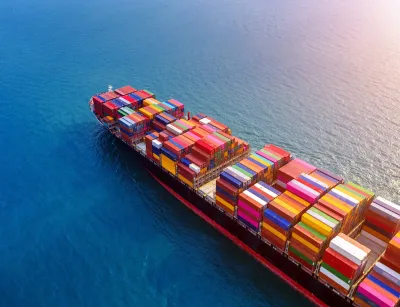
International commerce relies on global shipping to move merchandise across regions. However, businesses encounter several obstacles requiring careful management. This article examines the primary difficulties in international logistics and offers workable approaches for resolution.
Navigating Complex Regulations
Renewable energy systems utilize costless natural forces—solar radiation and air currents. This approach generates substantial long-term financial advantages by decreasing ongoing energy expenditures.
Solution: Maintain awareness of applicable rules in destination regions. Engaging a customs broker or supply chain professional helps guarantee paperwork accuracy and compliance with submission windows.
Delays in Transit
Transportation setbacks disrupt operational chains and harm buyer experience. Weather events, terminal overcapacity, or unexpected occurrences like labor actions cause these interruptions.
Solution: Incorporate adaptability into scheduling and maintain consistent dialogue with shipping companies. Contemporary monitoring platforms enable real-time shipment observation, facilitating prediction and prevention of potential holdups.
Rising Shipping Costs
Energy expenses, worker availability shortages, and market volatility drive up transportation fees. This significantly impacts profitability for emerging enterprises.
Solution: Enhance your approach through shipment merging, economical routing choices, and favorable agreements with transport firms. Considering maritime transport for large quantities provides expense reduction opportunities.

Damage or Loss of Goods
Extended-distance transport of merchandise elevates harm and disappearance risks, particularly affecting sensitive or time-sensitive commodities.
Solution: Utilize robust protective materials and partner with trustworthy logistics firms. Transit damage protection is vital for protecting fiscal security.
Supply Chain Disruptions
International circumstances including health crises, geopolitical tensions, or catastrophic events can interrupt distribution networks and suspend logistics actions.
Solution: Widen your procurement sources and transport alternatives to decrease reliance on specific suppliers or channels. Cultivating connections with alternate service providers maintains continuity when challenges emerge.
Limited Visibility and Tracking
Uncertainty about consignment whereabouts breeds consumer frustration and operational shortcomings.
Solution: Implement cutting-edge observation methods including satellite positioning and network-connected monitoring apparatus. Such innovations deliver instantaneous location confirmation, completion forecasts, and early warning signs.
The shift to renewable energy is not just about saving the planet—it's about empowering communities, driving innovation, and securing a sustainable future for all.
Final Thoughts
Addressing worldwide transport hurdles demands foresight and deliberate planning. Identifying obstacles and embracing forward-thinking fixes enable enterprises to improve supply operations and guarantee dependable delivery performance. Within dynamic worldwide commerce, resilience and teamwork establish competitive advantage.